Bulk Chemical Supply from China
Calcium Chloride Deicing Pellets Supplier
Buyer summary: Calcium Chloride Deicing Pellets Supplier matters when you compare suppliers, grades, packing, documents and landed cost for bulk chemical imports.
- Confirm grade, purity, particle form and target application before requesting a price.
- Ask for COA, SDS, packing photos and export document support before bulk shipment.
- Share quantity, destination port and trade term so the quotation can be accurate.
We supply Calcium Chloride Deicing Pellets for road snow melting, municipal winter service, airport and logistics yards where approved by project specification. Available with 25kg bag / pallet / jumbo bag. Contact us for COA, TDS, MSDS and bulk quotation.
Calcium Chloride Deicing Pellets Specifications
Calcium Chloride Deicing Pellets is selected by B2B buyers who need stable quality, clear documents and export packing. This page focuses on calcium chloride deicing pellets supplier and related purchasing terms: calcium chloride pellets for snow melting; calcium chloride road salt alternative; bulk calcium chloride deicer; low temperature deicing calcium chloride.
| Product Name | Calcium Chloride Deicing Pellets |
| Purity | 94% min typical |
| Appearance | White pellets / prills |
| Packaging | 25kg bag / pallet / jumbo bag |
| Grade | Deicing Agent / industrial grade by order |
| Application | Road snow melting, Municipal winter service, Airport and logistics yards where approved by project specification, Warehouse entrances |
| Origin | China |
| Documents | COA / TDS / MSDS available |
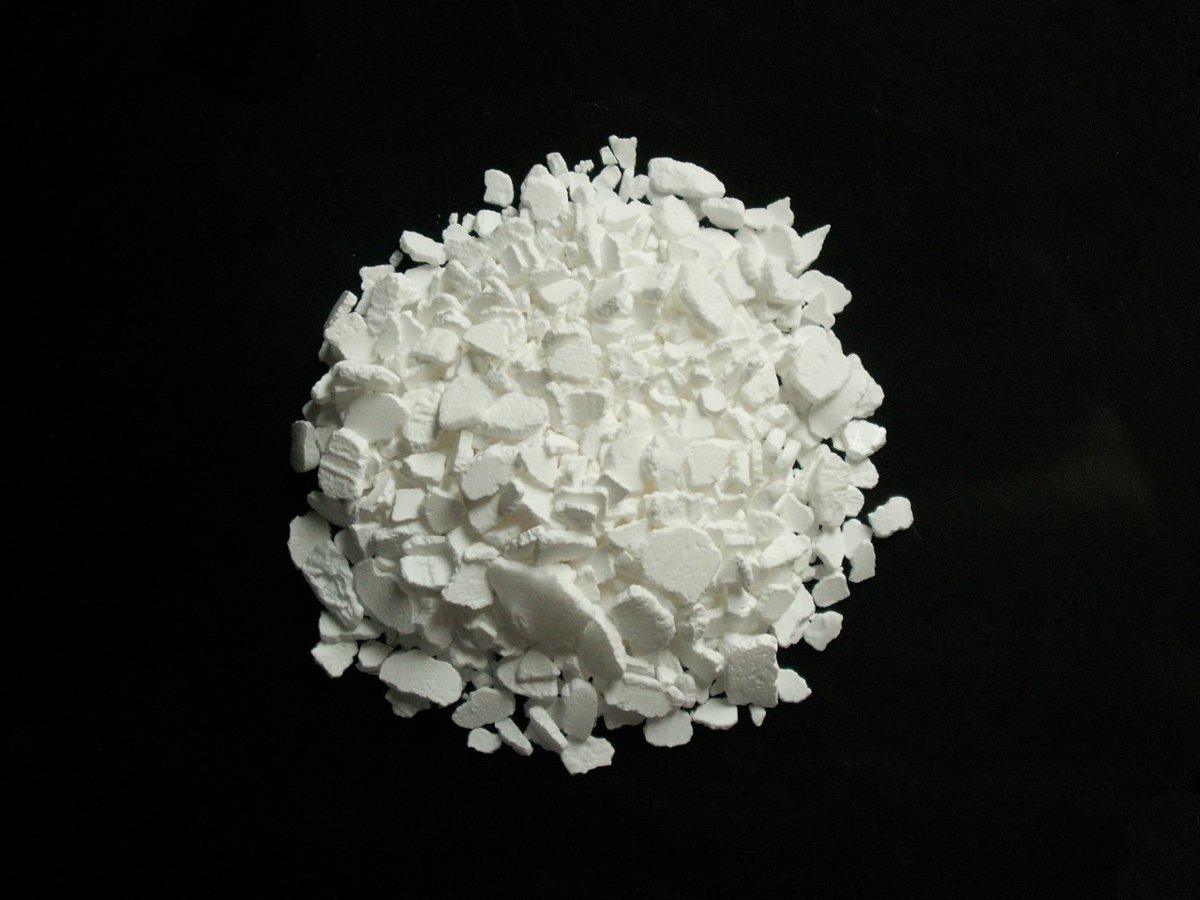
Applications of Calcium Chloride Deicing Pellets
- Road snow melting
- Municipal winter service
- Airport and logistics yards where approved by project specification
- Warehouse entrances
- Low-temperature deicing blends
Application suitability should be confirmed by your formulation, local regulation and process engineer. We provide documents and samples to support buyer evaluation.
Packaging and Bulk Supply
Standard options include 25kg woven bag, 50kg bag where applicable, 1000kg jumbo bag, palletized packing and OEM label discussion. Container loading information can be confirmed according to packing, destination and order quantity.
Quality Documents Available
Related Products and Buyer Pages
FAQ About Calcium Chloride Deicing Pellets
What is the specification of Calcium Chloride Deicing Pellets?
Common specification is 94% min typical. Final specification can be confirmed by COA before shipment.
Can you supply Calcium Chloride Deicing Pellets in 25kg bags?
Yes. Standard export packing includes 25kg bag / pallet / jumbo bag. Pallet and OEM packing can be discussed by order.
Do you provide COA, TDS and MSDS?
Yes. COA, TDS and MSDS are available for buyer review before or after order confirmation.
What is the MOQ for bulk orders?
MOQ depends on product and packing. Many products support trial orders, while full container loads usually reduce freight cost.
How can I get the latest price for Calcium Chloride Deicing Pellets?
Send product name, specification, quantity, destination port and packing requirement. Our team will prepare a fast quotation.
Do you export to my country?
We can quote FOB, CFR or CIF for many destination ports. Please share your port and import requirement for confirmation.
Road winter maintenance and aviation operations are not interchangeable. Use local application guidance for roads and the airport authority's approved-product program for every airside surface.
Anhydrous Calcium Chloride for Road De-Icing and Snow Melting
Most bulk de-icing product on the market is dihydrate calcium chloride, not anhydrous - it's cheaper per ton and does the job for the vast majority of winter maintenance work. Anhydrous shows up in this space in narrower situations: ice melt blend manufacturing, extreme cold formulations, and applications where the manufacturer wants tighter control over the exact CaCl2 content in the finished product rather than relying on the bound water content of dihydrate flakes.
Why a blender would choose anhydrous over dihydrate
If you're formulating a branded ice melt product - pellets sold in retail bags, for instance - dihydrate's water content becomes a variable you have to account for in every batch. Anhydrous gives a more predictable, higher CaCl2-per-kilogram starting point, which matters when you're trying to hit a consistent effective concentration across production runs. It costs more per ton than dihydrate, but for a manufacturer blending it with urea, magnesium chloride, or rock salt to hit a specific melting-point target, the predictability can be worth the premium.
For straight road application by a municipality or contractor, this level of precision usually isn't necessary, and dihydrate flakes remain the more common and more economical choice.
The cold-temperature performance angle
Calcium chloride brine can remain useful at lower pavement temperatures than straight sodium chloride, which is why it is evaluated in cold-weather blends. This is not a guaranteed cutoff claim: concentration, dilution, pavement temperature, precipitation and application timing determine field performance.
It's worth being accurate about this rather than overselling it - calcium chloride doesn't melt ice at any temperature, and effectiveness drops as temperature drops even within its working range. The lower the temperature, the more product it takes to generate enough brine to matter, and there's a practical floor below which no chloride-based de-icer works efficiently.
Dosage and application
For anhydrous product used in blended ice melt formulations, exact ratios depend on the target melting-point curve and the other components in the blend - this is formulation work best done with input from whoever is engineering the product, not a fixed number that applies across brands. For straight pre-treatment brine application (less common with anhydrous specifically, more typical with dihydrate or liquid CaCl2 concentrate), agencies generally follow their own DOT or municipal application rate guidelines rather than a universal standard.
What buyers formulating ice melt products should check
- Consistent purity batch to batch. Formulation work depends on knowing what you're starting with. A supplier whose purity varies meaningfully between shipments makes consistent blend ratios harder to maintain.
- Particle size distribution, especially for pellet-based ice melt products where uniform size affects both spreading behavior and the finished product's visual consistency on a retail shelf.
- Moisture content on arrival. Anhydrous product that's picked up humidity during shipping isn't fully anhydrous anymore by the time it reaches the blending line, which throws off formulation math if it's not accounted for.
A practical note on product selection
If you're a distributor or contractor buying for direct road application rather than product formulation, it's worth double-checking with your supplier whether anhydrous is actually what you need, or whether dihydrate flakes would do the same job for less money. The anhydrous premium makes sense for manufacturers who need the precision; for most end-use de-icing, it doesn't buy you anything extra.
Calcium Chloride for Airport Runway and Airfield De-Icing
Airport de-icing is a more tightly regulated and specialized version of the general de-icing picture, and calcium chloride's role in it is narrower than on public roads. Most primary runway de-icing today relies on potassium acetate or sodium acetate-based fluids, chosen specifically because they're less corrosive to aircraft and airfield infrastructure and generally have less environmental runoff impact than chloride-based products. Calcium chloride still shows up, but usually in secondary or specific-use roles rather than as the primary runway treatment.
Where it's actually used at airports
- General airside pavement areas away from aircraft movement surfaces - taxiway shoulders, service roads, parking areas - where the same corrosion and environmental concerns that limit its runway use matter less.
- Blended into some specialty ice control products for specific low-traffic or non-critical surface applications, where cost matters more than the marginal corrosion or environmental advantage of acetate-based alternatives.
- Emergency or backup stock in some operations, though this varies significantly by airport and by regional regulatory requirements around what's approved for airside use.
Why it's not the primary choice for runways
Two main reasons: corrosion risk to aircraft and airfield metal infrastructure, and environmental runoff concerns, particularly around waterways and sensitive areas near many airports. Acetate-based de-icers were developed specifically to address these two issues, and most major airports' de-icing programs are built around them for primary runway and taxiway treatment as a result. This isn't a minor preference - it reflects specific aviation industry standards and, in many jurisdictions, regulatory requirements around airside chemical use.
What airport procurement teams should confirm
If calcium chloride is being considered for any airside application, confirm:
- Local and national regulatory approval for the specific surface and use case - airside chemical use is more tightly regulated than general road maintenance in most countries.
- Whether the intended use is genuinely non-critical (shoulders, service roads) rather than any surface with aircraft movement, where acetate-based products are the near-universal standard.
- Environmental runoff requirements specific to the airport's location, since many airports have specific stormwater management obligations tied to their de-icing chemical use.
A straightforward summary
For general winter road maintenance, calcium chloride is a mainstream, well-established choice. For airport runways and aircraft movement areas specifically, it's a secondary product at best, used in limited, non-critical applications rather than as a primary de-icer. Buyers in aviation procurement should default to consulting their airport's approved chemical list and relevant aviation authority guidance rather than assuming general de-icing practices carry over directly to airside use.
Frequently Asked Questions
Can road deicer automatically be used on an airport runway?
No. Airport movement areas use approved chemicals and operating procedures. Confirm compatibility, aviation standards and environmental controls with the responsible airport authority.
Are pellets always better than flakes?
No. Form affects handling and dissolution, while active content, application equipment, temperature, moisture and cost determine the practical choice.
Is there one guaranteed minimum working temperature?
No. Field performance depends on pavement temperature, concentration, dilution, traffic, precipitation and application timing.
What should a deicer RFQ include?
Include assay, hydrate form, particle-size requirement, packaging, inhibitor requirement if specified, quantity, destination and the governing tender standard.
Technical References
- FHWA: Manual of Practice for an Effective Anti-Icing Program
- FAA: Airport Winter Safety and Operations guidance
- OxyChem: Calcium Chloride Handbook
Reference links support general technical context. The buyer's project specification, local regulation and qualified engineer remain controlling.
Looking for a reliable Calcium Chloride Deicing Pellets supplier?
Contact us today for COA, TDS, packing details and bulk quotation.
Send Inquiry Get Latest Price Contact Us