For a 99% monosodium glutamate offer, check the product label, agreed specification and batch certificate of analysis as separate records. The percentage printed on a bag identifies the declared product; the COA reports the result for a specific batch. Approval should link those documents to the material that will be shipped.
1. Identify which document answers which question
Fufeng's official reference package image displays MSG at least 99.0%. That image is product-label evidence, not a current batch COA. Do not turn it into a claim about a particular shipment or an unverified specification field.
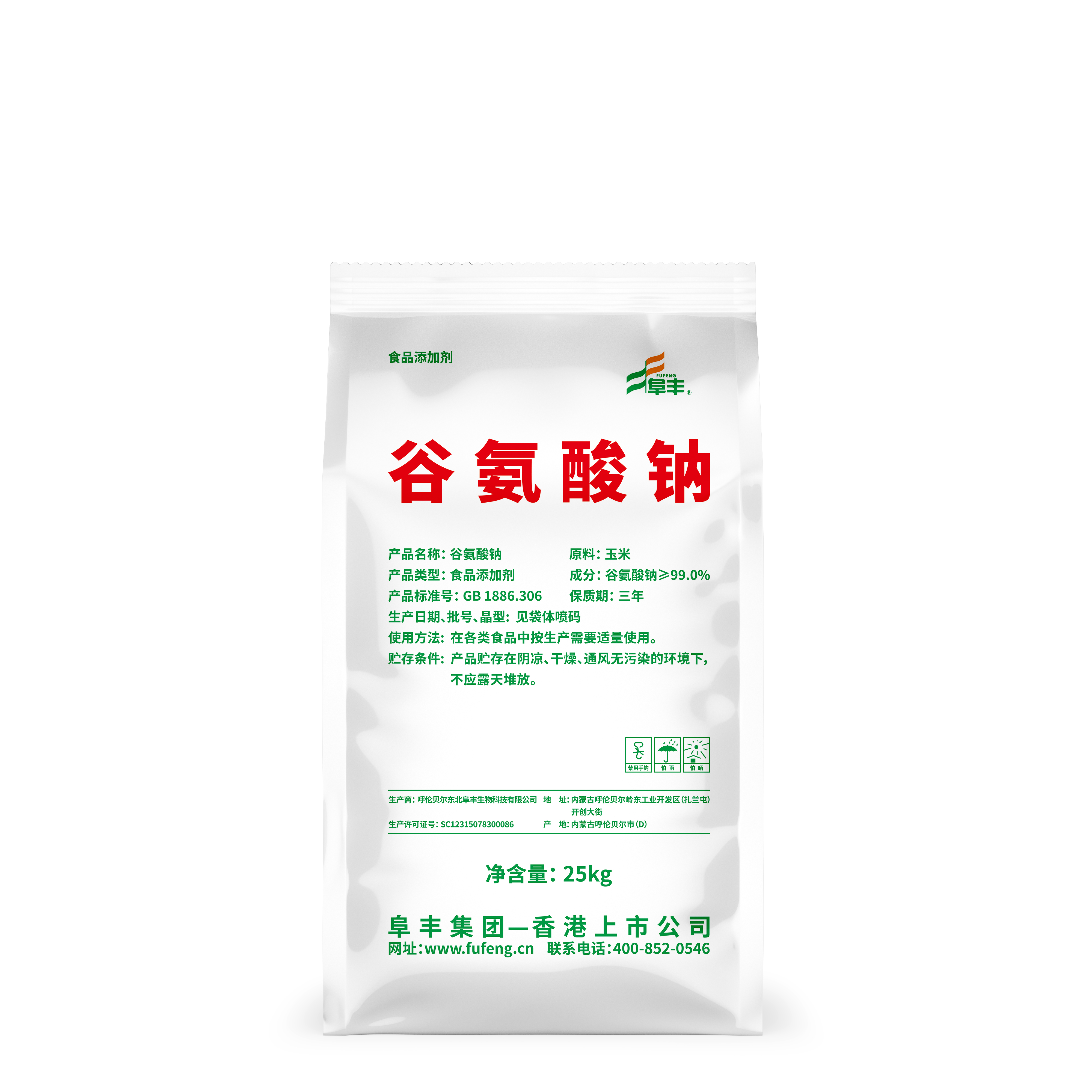
Use the label to check the presented product identity and declared information. Use the agreed specification to record the requirements the supplier is being asked to meet. Use a batch COA to review the reported results for an identified batch. If the supplier provides a sample COA before stock allocation, label it as an example and keep the shipment-specific document outstanding.
Build a document register with filename, version or issue date, issuer, product name, batch reference and review status. This prevents a generic technical sheet from being silently reused as the evidence for a later order. Save the supplier's explanation of any changed field with the corresponding revision.
2. Read the result together with its basis and method
For an assay result, record the stated limit, reported value, unit, test method and reporting basis. If the reporting basis is unclear, ask the issuer to explain it. Results stated on different bases should not be compared as if they were identical. Do not calculate a conversion unless quality has the necessary information and has approved that interpretation.
Check whether a line contains a numerical result or only a statement that the material conforms. Either may require further review depending on the agreed requirement. A missing result should remain missing in the review record; do not fill it using a catalogue value, an earlier batch or another supplier's document.
Obtain product-specific limits and methods for any additional requirements, including moisture, transmittance and particle distribution, from the proposed supplier. Record the relevant units and reporting basis so quality can interpret each result against the agreed specification.
3. Use a batch-to-order verification table
Have purchasing complete the order fields and quality complete the analytical review. Assign a clear owner to each mismatch and keep the completed review with the order's quality records.
| Check | Compare | Hold point |
|---|---|---|
| Product identity | Quotation, specification, label and COA product descriptions | Descriptions differ without an accepted explanation |
| Manufacturer and issuer | Stated manufacturer, document issuer and supplier explanation | The relationship between documents and offered material is unclear |
| Batch identity | Sample or allocated stock code, COA and shipment packing record | Batch references do not connect to the intended delivery |
| Analytical meaning | Requirement, result, unit, reporting basis and method | The result cannot be interpreted against the agreed requirement |
| Document revision | Agreed specification and current submitted revision | A revised limit or omitted parameter has not been reviewed |
| Release decision | Reviewer, date, accepted scope and outstanding actions | A required action remains unresolved |
If several batches will be shipped, request the batch breakdown and the corresponding evidence for each. A document covering one identified batch should not automatically release every bag in a mixed shipment. Make the document-to-quantity relationship explicit in the order file.
4. Resolve mismatches with a specific question
Write questions that point to the exact conflict: identify the document, field, observed value and expected reference. For example, ask the supplier to explain why a batch code on the packing record differs from the COA, and to provide a corrected or clearly linked record. Avoid a vague request to resend all documents, which may return the same unresolved file set.
If authenticity or traceability remains uncertain, ask for confirmation through an independently verified manufacturer or issuer contact where appropriate. A polished PDF, stamp or translated version alone does not resolve a broken link between documents and goods. Record who supplied the clarification and what evidence closed the issue.
5. Attach the evidence requirements to the order
State which documents are required before approval, which depend on batch allocation, and which must accompany the shipment. Name the approved specification revision and who can authorise a change. Confirm destination-specific documentary requirements with your importer or appropriate advisers rather than assuming a COA answers every market requirement.