Bulk Chemical Supply from China
Calcium Chloride For Concrete Accelerator
Buyer summary: Calcium Chloride For Concrete Accelerator matters when you compare suppliers, grades, packing, documents and landed cost for bulk chemical imports.
- Confirm grade, purity, particle form and target application before requesting a price.
- Ask for COA, SDS, packing photos and export document support before bulk shipment.
- Share quantity, destination port and trade term so the quotation can be accurate.
We supply Calcium Chloride for Concrete Accelerator for concrete accelerator formulations, cold weather construction admixtures, cement product production. Available with 25kg bag / pallet / jumbo bag. Contact us for COA, TDS, MSDS and bulk quotation.
Calcium Chloride for Concrete Accelerator Specifications
Calcium Chloride for Concrete Accelerator is selected by B2B buyers who need stable quality, clear documents and export packing. This page focuses on calcium chloride for concrete accelerator and related purchasing terms: calcium chloride concrete additive; calcium chloride for construction; calcium chloride flakes for concrete; industrial calcium chloride supplier.
| Product Name | Calcium Chloride for Concrete Accelerator |
| Purity | 74%-94% depending on project requirement |
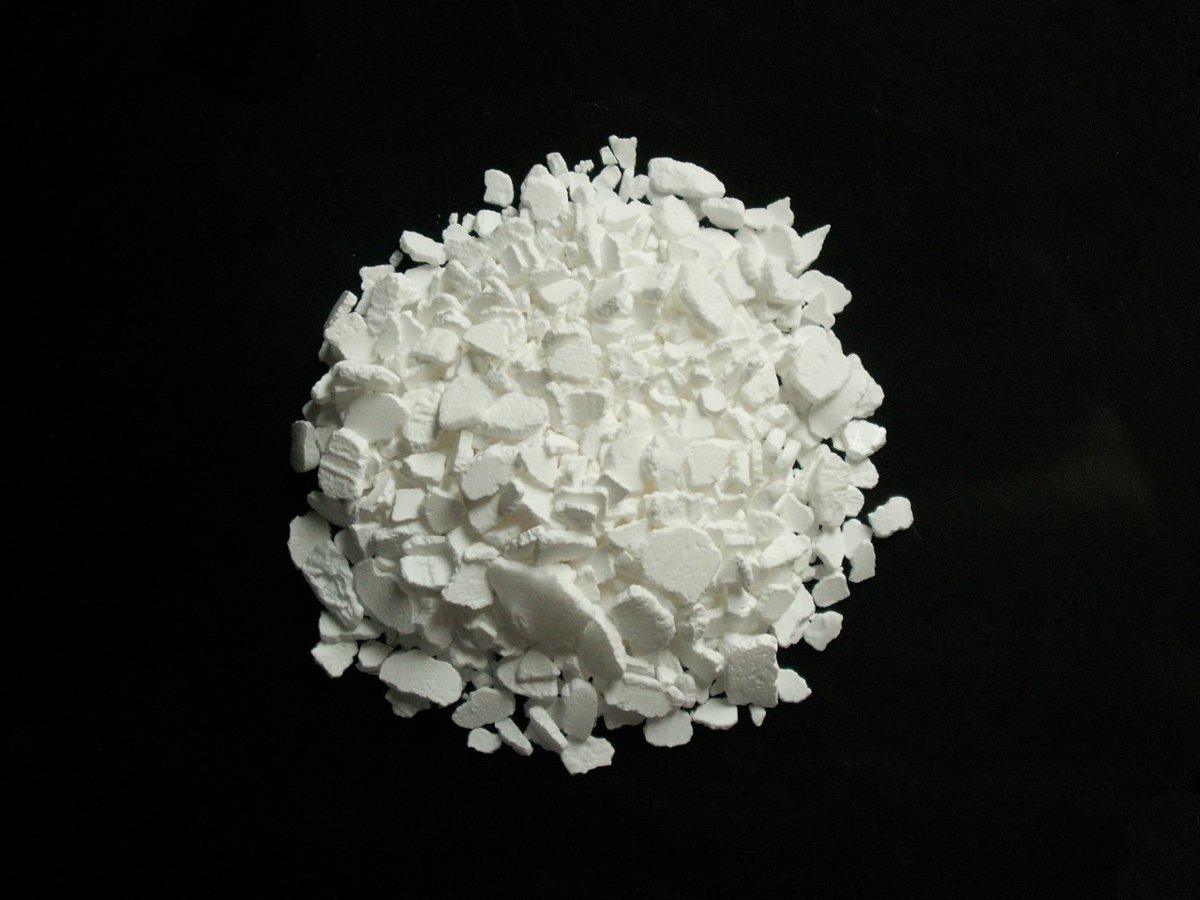
| Appearance | Flakes / pellets / powder |
| Packaging | 25kg bag / pallet / jumbo bag |
| Grade | Calcium Chloride / industrial grade by order |
| Application | Concrete accelerator formulations, Cold weather construction admixtures, Cement product production, Construction chemical blending |
| Origin | China |
| Documents | COA / TDS / MSDS available |
Applications of Calcium Chloride for Concrete Accelerator
- Concrete accelerator formulations
- Cold weather construction admixtures
- Cement product production
- Construction chemical blending
- Industrial calcium chloride use
Application suitability should be confirmed by your formulation, local regulation and process engineer. We provide documents and samples to support buyer evaluation.
Packaging and Bulk Supply
Standard options include 25kg woven bag, 50kg bag where applicable, 1000kg jumbo bag, palletized packing and OEM label discussion. Container loading information can be confirmed according to packing, destination and order quantity.
Quality Documents Available
Related Products and Buyer Pages
FAQ About Calcium Chloride for Concrete Accelerator
What is the specification of Calcium Chloride for Concrete Accelerator?
Common specification is 74%-94% depending on project requirement. Final specification can be confirmed by COA before shipment.
Can you supply Calcium Chloride for Concrete Accelerator in 25kg bags?
Yes. Standard export packing includes 25kg bag / pallet / jumbo bag. Pallet and OEM packing can be discussed by order.
Do you provide COA, TDS and MSDS?
Yes. COA, TDS and MSDS are available for buyer review before or after order confirmation.
What is the MOQ for bulk orders?
MOQ depends on product and packing. Many products support trial orders, while full container loads usually reduce freight cost.
How can I get the latest price for Calcium Chloride for Concrete Accelerator?
Send product name, specification, quantity, destination port and packing requirement. Our team will prepare a fast quotation.
Do you export to my country?
We can quote FOB, CFR or CIF for many destination ports. Please share your port and import requirement for confirmation.
Calcium chloride is not a universal concrete admixture. The mix designer must confirm the applicable code, chloride limit, reinforcement condition and trial-batch result before use.
Calcium chloride is the oldest and cheapest concrete accelerator there is, and also the one with the most restrictions on where you're allowed to use it. If you're sourcing it for this application, the chemistry is the easy part - knowing when not to use it is the part that actually matters for the project.
How it works
Calcium chloride speeds up the hydration reaction between cement and water, which shortens both setting time and early strength gain. In cold-weather concreting, this matters a lot - concrete that sets too slowly in low temperatures is vulnerable to freeze damage before it's gained enough strength to resist it. CaCl2 buys time against that window.
It also generates a modest amount of heat as it reacts, which helps in cold pours but is largely irrelevant in warm-weather work, where the acceleration effect on setting time is the main reason it gets used.
Dosage - and why more isn't better
ACI notes that calcium chloride is commonly used at up to 1% by mass of cementitious material and should not exceed 2%; the project specification and validated mix design may impose a lower limit or prohibit it. This is not a case where doubling the dose halves your setting time - the relationship isn't linear, and pushing dosage too high brings problems: excessive early heat generation, increased shrinkage, and a real risk of surface scaling or efflorescence later on. Most contractors working with CaCl2 accelerators follow the dosage range in the relevant standard (ACI 212 in the US is the usual reference) rather than eyeballing it based on past experience with a different mix design.
Where it should not be used
This is the part that gets skipped in a lot of quick product summaries, and it shouldn't be. Calcium chloride accelerates corrosion of embedded steel reinforcement. It should not be used in:
- Reinforced concrete, prestressed concrete, or any structural application with embedded steel
- Concrete that will be in contact with aluminum (electrical conduit, window frames) due to galvanic corrosion risk
- Concrete exposed to sulfate soils or water, where it can worsen sulfate attack
- Any application where the finished concrete will be exposed to conditions requiring long-term durability against chloride-induced corrosion
Non-reinforced concrete - slabs on grade without rebar, some precast applications, certain repair mortars - is where calcium chloride accelerators are actually appropriate. If there's steel in the mix design, the standard advice across most codes and specifications is to use a non-chloride accelerator instead, even though those cost more per unit. This isn't a minor technicality; corrosion-related structural failures tied to chloride accelerator misuse have a long enough history in the industry that most specifiers won't allow CaCl2 near reinforced work at all, regardless of dosage.
Purity and form for this application
For concrete accelerator use, 94% anhydrous calcium chloride is standard and works fine - the small amount of insoluble material doesn't meaningfully affect performance at typical dosage rates. Flake or powder form both dissolve adequately in the mix water; powder tends to disperse a bit faster if it's being added directly to the batch rather than pre-dissolved.
What buyers should ask suppliers
- Confirm the product is being sold for non-reinforced applications, and that whoever is specifying the mix design is aware of the corrosion restriction. This sounds obvious, but it's a surprisingly common gap between purchasing and the actual site engineer.
- COA showing purity and insoluble content. Higher insoluble content can affect workability slightly at the margins.
- Packaging suited to batching operations - smaller bag sizes (25kg) are common for ready-mix plants dosing by hand at the batching station, versus bulk bags for larger, automated dosing systems.
A practical note
Non-chloride accelerators exist for a reason, and for any reinforced structural pour, they're the right call even at a higher material cost - the corrosion risk with calcium chloride in that context isn't a marginal one worth cutting cost on. Where calcium chloride is genuinely the right accelerator for the job (non-reinforced, cold-weather, cost-sensitive), it remains a reliable, well-understood option that contractors have used for close to a century.
Frequently Asked Questions
Can calcium chloride be used in reinforced concrete?
ACI guidance warns against use in steel-reinforced concrete because chlorides can promote corrosion. Use the project specification and a qualified mix designer.
Is two percent a default dosage?
No. ACI notes lower additions are preferred and calcium chloride should not exceed stated limits; the governing code, cementitious mass and trial batch control the decision.
What should a buyer send the supplier?
Send the required assay and form, project standard, packaging, quantity and any limits on moisture or insoluble material. Do not ask the chemical supplier to approve the concrete mix.
When is a non-chloride accelerator appropriate?
It is normally the safer specification where reinforcement, prestressing steel, aluminum contact or chloride-sensitive durability conditions are present.
Technical References
Reference links support general technical context. The buyer's project specification, local regulation and qualified engineer remain controlling.
Looking for a reliable Calcium Chloride for Concrete Accelerator supplier?
Contact us today for COA, TDS, packing details and bulk quotation.
Send Inquiry Get Latest Price Contact Us