Bulk Chemical Supply from China
Calcium Chloride For Dust Control
Buyer summary: Calcium Chloride For Dust Control matters when you compare suppliers, grades, packing, documents and landed cost for bulk chemical imports.
- Confirm grade, purity, particle form and target application before requesting a price.
- Ask for COA, SDS, packing photos and export document support before bulk shipment.
- Share quantity, destination port and trade term so the quotation can be accurate.
We supply Calcium Chloride for Dust Control for mining road dust control, gravel road dust suppression, construction sites. Available with 25kg bag / 50kg bag / jumbo bag. Contact us for COA, TDS, MSDS and bulk quotation.
Calcium Chloride for Dust Control Specifications
Calcium Chloride for Dust Control is selected by B2B buyers who need stable quality, clear documents and export packing. This page focuses on calcium chloride for dust control and related purchasing terms: calcium chloride road dust control; calcium chloride flakes for dust suppression; calcium chloride for mining roads; calcium chloride dust suppressant supplier.
| Product Name | Calcium Chloride for Dust Control |
| Purity | 74%-94% by application requirement |
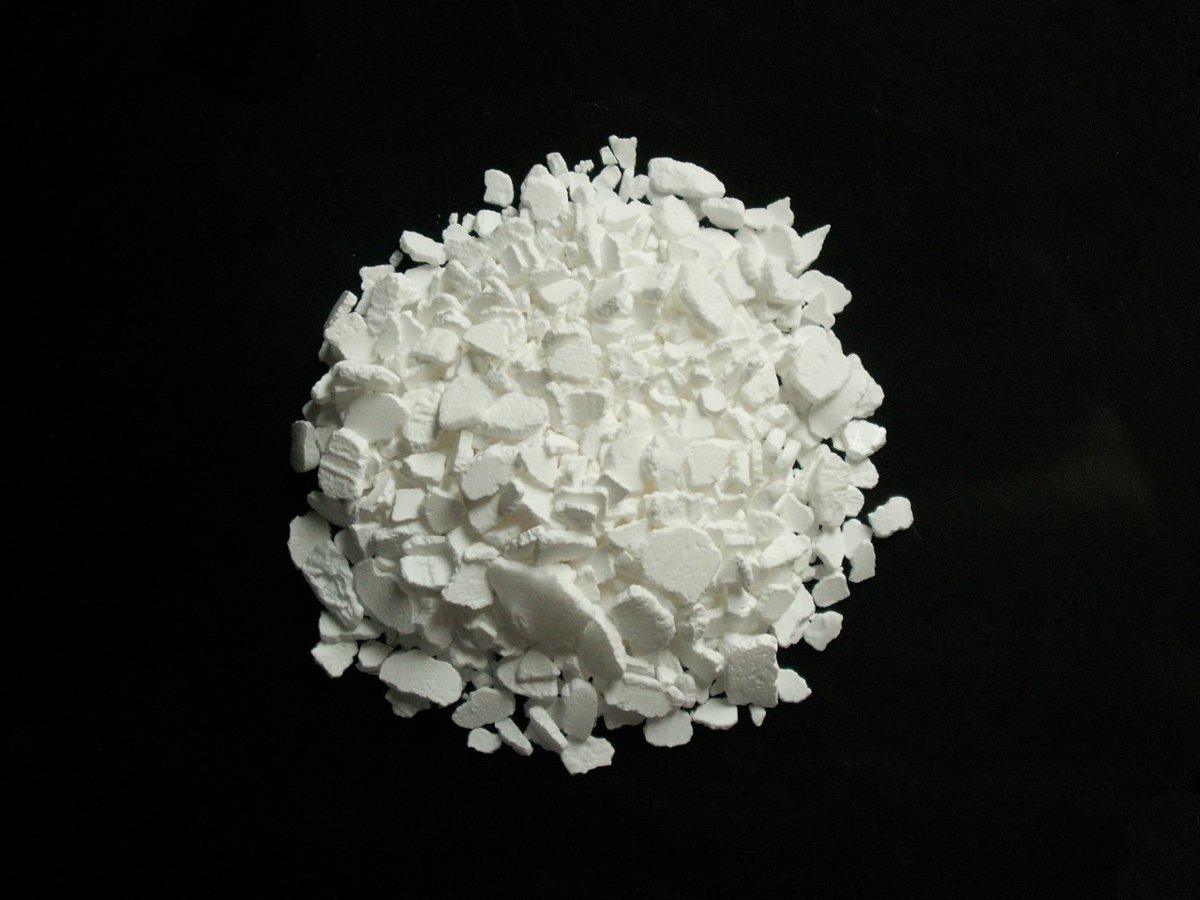
| Appearance | Flakes / pellets / granules |
| Packaging | 25kg bag / 50kg bag / jumbo bag |
| Grade | Calcium Chloride / industrial grade by order |
| Application | Mining road dust control, Gravel road dust suppression, Construction sites, Industrial yards |
| Origin | China |
| Documents | COA / TDS / MSDS available |
Applications of Calcium Chloride for Dust Control
- Mining road dust control
- Gravel road dust suppression
- Construction sites
- Industrial yards
- Unpaved road maintenance
Application suitability should be confirmed by your formulation, local regulation and process engineer. We provide documents and samples to support buyer evaluation.
Packaging and Bulk Supply
Standard options include 25kg woven bag, 50kg bag where applicable, 1000kg jumbo bag, palletized packing and OEM label discussion. Container loading information can be confirmed according to packing, destination and order quantity.
Quality Documents Available
Related Products and Buyer Pages
FAQ About Calcium Chloride for Dust Control
What is the specification of Calcium Chloride for Dust Control?
Common specification is 74%-94% by application requirement. Final specification can be confirmed by COA before shipment.
Can you supply Calcium Chloride for Dust Control in 25kg bags?
Yes. Standard export packing includes 25kg bag / 50kg bag / jumbo bag. Pallet and OEM packing can be discussed by order.
Do you provide COA, TDS and MSDS?
Yes. COA, TDS and MSDS are available for buyer review before or after order confirmation.
What is the MOQ for bulk orders?
MOQ depends on product and packing. Many products support trial orders, while full container loads usually reduce freight cost.
How can I get the latest price for Calcium Chloride for Dust Control?
Send product name, specification, quantity, destination port and packing requirement. Our team will prepare a fast quotation.
Do you export to my country?
We can quote FOB, CFR or CIF for many destination ports. Please share your port and import requirement for confirmation.
For road work, specify the hydrate form and active content first, then match delivery form and application rate to the road material, climate and local environmental requirements.
Most of the calcium chloride sold into winter maintenance and dust control isn't the anhydrous grade you'd use in a lab or a completion fluid tank. It's dihydrate - typically 74% or 77% CaCl2, sold as flakes, and priced accordingly. If you're buying for a municipal contract, a mining haul road, or a de-icing distributor, this is almost certainly the grade you actually want, not the higher-purity anhydrous product some suppliers default to quoting.
Why dihydrate, not anhydrous, for this application
Anhydrous calcium chloride costs more to produce and doesn't buy you much for de-icing or dust control. What matters for these uses is effective CaCl2 content per ton delivered to the road, and dihydrate flakes at 74-77% get the job done at a lower price point per unit of active ingredient than most buyers expect once they run the numbers. Anhydrous makes sense where water content in the product itself is a problem - drilling brine, certain desiccant uses - but a gravel road doesn't care.
One practical wrinkle: dihydrate flakes contain bound water as part of their crystal structure, which is different from surface moisture. A bag that's picked up ambient humidity on top of that will test lower than spec even though the underlying product is fine. Worth knowing if a shipment comes in testing a point or two under the number on the COA - ask whether it's a genuine purity issue or just moisture pickup in transit.
De-icing: how it actually works and where it stops working
Calcium chloride lowers the freezing point of the brine that forms and can remain useful under colder conditions than sodium chloride; the result depends on concentration, pavement temperature, available moisture and application practice. That's the main reason agencies use it for pre-treatment before a storm, or blend it with rock salt for extreme cold events where plain salt stops working.
It's not magic below that temperature, and dosage matters more than most contractors want to admit. Under-applying gets you a thin brine layer that refreezes; over-applying wastes product and, over years, contributes to the surface scaling issues that show up on concrete bridge decks. Most state and provincial DOT specs have application rate tables for a reason - they're not just there to slow down the truck driver.
Dust control on unpaved roads
For haul roads, quarry access roads, and rural unpaved routes, calcium chloride works differently than it does for ice. It's hygroscopic - it pulls moisture out of the air and holds it in the road surface, which binds fine particles together and keeps them from becoming airborne dust. This is a maintenance product, not a one-time fix: the road needs periodic reapplication, usually once or twice a season depending on traffic volume and rainfall, because the calcium chloride does eventually leach out or get tracked off by traffic.
Application rates for dust control run lower than for de-icing, generally applied as a liquid solution sprayed onto the road surface rather than dry flakes broadcast the way you'd handle ice. If your use case is dust suppression specifically, it's worth telling your supplier that up front - the flake size and packaging that make sense for de-icing pallets aren't always what a dust control contractor wants for solution mixing.
What to ask a supplier before ordering
- Confirm the actual CaCl2 content, not just "calcium chloride" as a generic name. 74% and 77% are priced differently, and the difference compounds fast at bulk tonnage.
- Check flake size and consistency. Uniform flake size matters for spreader calibration - a load with a lot of fine powder mixed in behaves differently through a truck-mounted spreader than consistent flakes do.
- Ask about corrosion inhibitor, if relevant. Some formulations for highway use include a corrosion inhibitor package to reduce damage to vehicles and infrastructure. If your contract specifies this, confirm the supplier's product actually includes it rather than assuming.
- Packaging for bulk shipment. Jumbo bags (typically ~1 MT) are standard for this grade. A 20-foot container generally holds around 18-20 MT depending on bag format and how it's stacked.
A quick note on the anhydrous/dihydrate mix-up
It happens more often than it should: a buyer requests a quote for "calcium chloride," gets a price back for anhydrous, and doesn't realize until the shipment lands that they paid for a higher grade than the application needed - or, worse, ordered dihydrate for a use case that actually required anhydrous. If you're not sure which grade your specification calls for, it's worth a five-minute conversation with the supplier before the PO goes out, not after.
Frequently Asked Questions
Why is calcium chloride used for dust control?
Its moisture-attracting behavior can help retain surface moisture and reduce dust when the road is correctly prepared and treated.
Should dry flakes be applied without a plan?
No. Road preparation, moisture, aggregate, traffic and equipment affect results. Follow the project specification and perform a controlled trial section.
Is 74% the same product as 94%?
No. Commercial 74-77% material is generally a hydrate form, while 94% material is generally anhydrous. Compare delivered active content and application needs.
What should be verified before shipment?
Confirm assay, hydrate form, particle size, packaging, batch COA, SDS, load plan and any tender-specific inhibitor or test requirement.
Technical References
Reference links support general technical context. The buyer's project specification, local regulation and qualified engineer remain controlling.
Looking for a reliable Calcium Chloride for Dust Control supplier?
Contact us today for COA, TDS, packing details and bulk quotation.
Send Inquiry Get Latest Price Contact Us