For a wholesale order of monosodium glutamate in 25 kg bags, buying accuracy depends on three matching records: the quantity purchased, the packing plan approved and the bags received. Agree the package details before comparing quotations, then give your warehouse a simple reconciliation sheet. This prevents an apparently clear kilogram price from hiding unresolved label, pallet or handling assumptions.
Confirm exactly what “25 kg bag” includes
Fufeng's official product listing includes a 25 kg package. Its public package image also displays 25 kg. Those references do not establish the construction or dispatch configuration of the bags offered for your order.
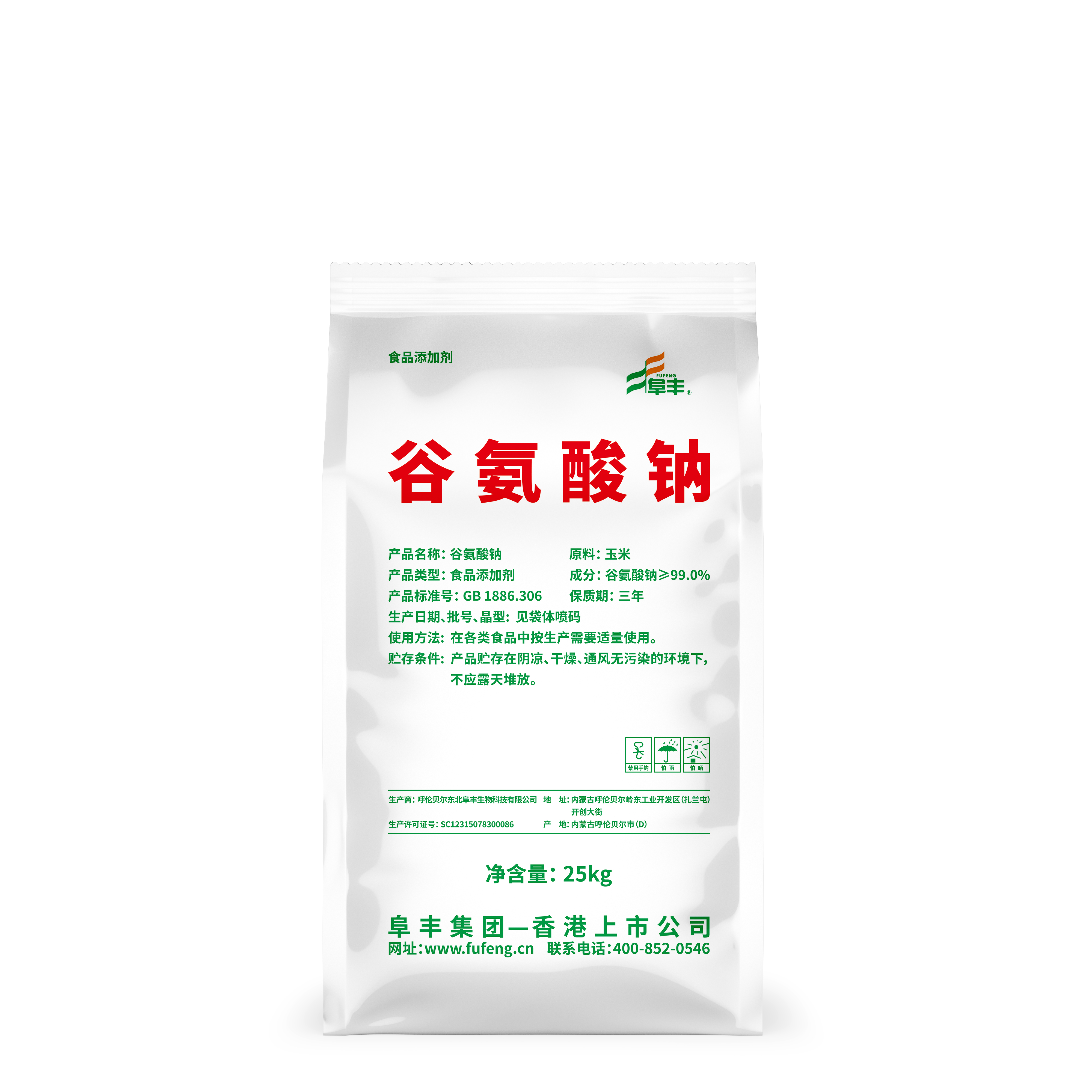
Request the current packing description: inner and outer materials, closure, label layout, bag dimensions and any additional protective packaging. Ask the seller to distinguish confirmed details from proposals. If your production line needs a particular opening arrangement or your warehouse needs barcode fields, submit those requirements with the enquiry rather than after the quotation is accepted.
Confirm whether the offer describes loose bags, palletised bags or another arrangement. Where pallets are proposed, request dimensions, bag count per pallet, stack layout, overall packed height and gross weight. Your warehouse should approve the arrangement against its own receiving equipment and storage plan; a net product total does not establish handling suitability.
Reconcile kilograms, bags and packing units
Use the agreed net weight per bag to calculate the required bag count, then reconcile it against the supplier's packing list. Keep net product weight separate from gross shipment weight. Gross weight includes packaging and any pallets, and should come from the confirmed packing configuration rather than an assumed allowance.
Planning example: an order for 20,000 kg net, packed at 25 kg net per bag, requires 800 bags. If the proposed arrangement uses 40 bags per pallet, that would be 20 pallets containing 1,000 kg net each. Confirm the actual pallet configuration and handling limits with the supplier.
| Reconciliation level | Record | Question before release |
|---|---|---|
| Purchase order | Total net kilograms and nominal net kilograms per bag | Does the ordered total produce the intended whole-bag quantity? |
| Supplier packing plan | Bags per unit, packing units and identified loose bags | Do all bags add up to the order quantity? |
| Batch allocation | Bag quantity assigned to each batch | Can each allocation be matched with the requested records? |
| Dispatch record | Declared shipped bags, units and packing-list version | Were changes approved and communicated? |
| Receiving record | Received, damaged, held and released bags | Are all bags accounted for without counting held goods twice? |
Approve the label as an operational document
Ask for a readable label layout showing the fields your team needs: product identity, manufacturer, net weight, batch identification, production date, shelf-life information and storage instructions. Confirm which details are printed in the main artwork and which are applied during packing. A clear catalogue picture may not show how variable batch information will appear.
Check the proposed label against the purchase specification and the documents your importer requires. Resolve language or additional-labelling requests before dispatch. Retain the approved version and any agreed additions so receiving staff can distinguish an expected overlabel from an unexplained change. Do not treat a visual label review as a substitute for a batch document review.
Prepare a receiving checklist before the bags arrive
Give the warehouse the order reference, expected packing configuration, approved label example and batch allocation. Record the quantity actually unloaded and note any discrepancies between visible labels and the packing list. Photograph relevant damage or identification problems while their location is still clear, following the site's receiving procedure.
Keep affected units identifiable while the responsible team decides how to handle them. Record whether the issue concerns the outer packaging, product containment, an unreadable label or an unexplained count. A general note such as “some damaged bags” is difficult to reconcile later.
Send an enquiry that answers the packing questions
Include total net quantity, preferred bag format, destination, receiving constraints and requested label evidence in your enquiry. State whether pallet details need approval and whether a multi-batch shipment is acceptable. Ask the seller to list packing-related assumptions and any costs or services outside the quotation.