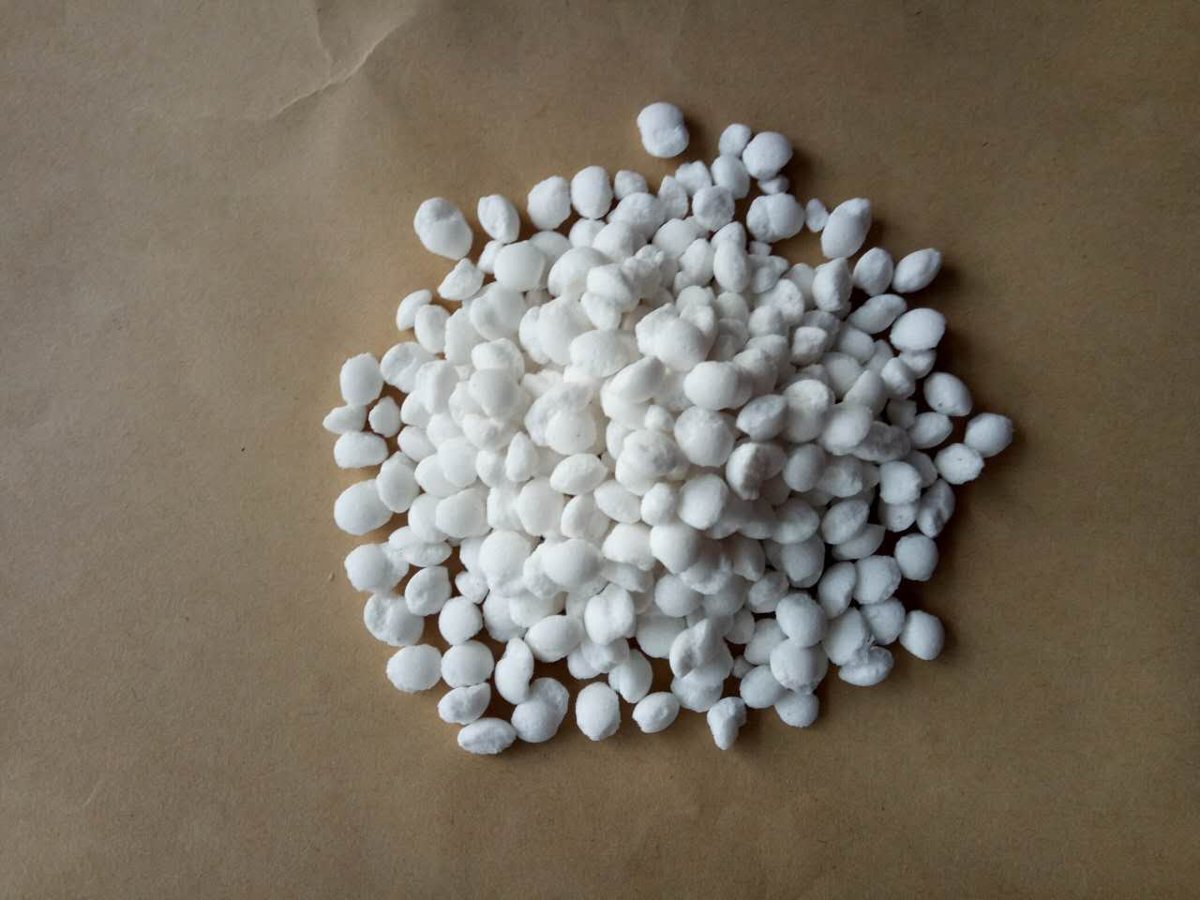
Product at a glance
- Formula
- NaCl
- CAS
- 7647-14-5
- Common forms
- Tablets, pellets, granules, or blocks matched to the equipment
- Buyer documents
- Verify the offered grade with TDS, SDS, and a batch COA
What Is Water Softener Salt?
Water softener salt is a sodium chloride product used to regenerate sodium-cycle cation exchange resin. It is also described as ion exchange resin regenerant, regeneration salt, softening salt, or water softener tablets. In a conventional softening system, hard water passes through a bed of resin. Calcium and magnesium ions are retained on the resin while sodium ions are released into the water.
As the resin’s exchange sites become loaded with hardness ions, softening capacity declines. A concentrated sodium chloride brine is then passed through the resin during regeneration. The high sodium-ion concentration drives calcium and magnesium from the resin, after which the system rinses the displaced ions and excess brine to drain. The restored resin returns to the service cycle.
Water softener salt may look similar to food salt or general-purpose industrial salt, but softener operation places particular importance on sodium chloride content, insoluble matter, calcium and magnesium impurities, particle form, tablet strength, dissolution, and the tendency to form deposits or salt bridges. A salt should be selected for the equipment and water-treatment application rather than on chemical name alone.
How Salt Regenerates Ion Exchange Resin
During normal service, the resin exchanges sodium for hardness ions in the feedwater. The number of gallons or cubic meters treated before regeneration depends on resin quantity and condition, influent hardness, water consumption, competing ions, and the system’s programmed reserve capacity.
During regeneration, the control valve takes the unit through a sequence that may include backwash, brine draw, slow rinse, fast rinse, and brine-tank refill. Exact steps vary by equipment. The brine must be drawn at the correct rate and remain in contact with the resin long enough to restore useful capacity. Too little salt can cause hardness leakage, while excessive salt can waste chemical and water without delivering a proportional capacity increase.
Poor softened-water quality is not always a salt problem. Incorrect hardness settings, a blocked injector, an air leak in the brine line, a salt bridge, inadequate rinse time, resin fouling, channeling, or resin aging can produce similar symptoms. A good operating program therefore tracks product quality, salt consumption, regeneration volume, and outlet hardness together.
Quality Characteristics That Matter
Sodium Chloride Content and Consistency
Sodium chloride supplies the sodium ions used in regeneration. Buyers should review the specification, test basis, and batch certificate of analysis for the offered product. A marketing statement such as “high purity” is not a purchasing specification. For continuous operations, lot-to-lot consistency can be just as important as the result from one sample.
Water-Insoluble Matter
Insoluble material is a key performance parameter for regeneration salt. Dirt, mineral particles, and other insolubles may settle in the bottom of the brine tank, increase cleaning requirements, or enter the injector and valve passages. Systems with small flow paths, high automation, or limited maintenance access generally benefit from a low and consistent insoluble load.
An onsite dissolution test can be useful during supplier qualification. Use the same salt mass, water volume, temperature, and mixing time for each sample, then compare solution appearance and settled residue. This simple test does not replace laboratory analysis, but it can reveal meaningful differences in handling performance.
Calcium, Magnesium, and Other Impurities
The softener is designed to remove calcium and magnesium, so their presence in the regenerant deserves attention. Other ions, trace metals, color, or organic contamination can also matter depending on resin type and water use. Critical limits should be based on the system, feedwater, equipment manufacturer’s guidance, and applicable local requirements.
If softened water supports food production, beverage processing, a regulated public system, boiler feed, healthcare, or another controlled use, the buyer must verify all relevant chemical and certification requirements. A product should not be assumed suitable simply because sodium chloride is widely used in water treatment.
Physical Form, Strength, and Dissolution
Common forms include tablets, pellets, granular salt, and blocks. Uniform tablets are convenient to handle and may generate less dust, but weak tablets can break during transport and create excess fines. Granular salt can dissolve readily, although particle-size distribution and powder content may influence brine-tank behavior. Blocks are designed for certain equipment and should not be substituted without checking compatibility.
The selected salt should form brine consistently without excessive sludge, persistent bridging, or foreign material. Mechanical strength, particle size, dissolution rate, and bag integrity should be evaluated after transport, not only on a fresh production-line sample.
Tablets, Pellets, Granules, or Blocks?
Compressed tablets and pellets are widely used in residential, commercial, and industrial softeners because they are easy to carry, dose, and store. Buyers can inspect size uniformity, broken pieces, powder level, surface condition, and crush resistance. Very high strength is not the only goal; any binder or processing aid must also be appropriate for the intended water-treatment use.
Granular salt may be suitable for systems that need faster dissolution or are designed around loose crystals. A controlled particle-size distribution supports consistent brine formation. Excessive fine material can form a dense layer, contribute to mushing, or complicate brine pickup under some conditions.
Salt blocks are equipment-specific. Their dimensions and dissolution characteristics may be designed for a particular cabinet or commercial unit. Follow the softener manufacturer’s recommendation before changing form. The best choice is the product that produces stable regeneration and manageable maintenance in the actual installation.
For a large facility, performance can be compared with an operating scorecard that records salt added, water treated, feed and outlet hardness, regeneration frequency, rinse water, brine-tank deposits, and unplanned maintenance. This is more reliable than selecting salt by appearance or bag price.
How to Use Water Softener Salt Correctly
Program the softener using measured feedwater hardness, resin capacity, water demand, and the salt dose recommended for the equipment and resin. Demand-initiated regeneration is often more efficient than a simple calendar schedule when water use varies, provided that the meter and settings are accurate.
Check the brine tank regularly. It should not remain empty long enough to interrupt regeneration, but filling it completely at every visit can make inspection difficult. Maintain a practical salt level based on consumption and the manufacturer’s instructions.
A salt bridge is a hardened crust that forms above an empty space in the tank. From the top, the tank appears to contain salt, but the salt no longer contacts the water and brine strength becomes inadequate. Humidity, excessive fines, overfilling, and long periods without inspection can increase the likelihood of bridging. Follow the equipment maker’s safe procedure to break and remove a bridge; do not damage the tank or brine components.
Clean the brine tank when deposits become significant or at the interval recommended for the system. Isolate or bypass the softener according to the manual, remove residual material safely, clean the tank and components, and restart the unit using the specified procedure. A cleaner salt may extend the interval but does not eliminate the need for inspection.
Most importantly, test the softened water. Salt visible in the tank is not proof of correct operation. Trend outlet hardness at a consistent location and frequency. If hardness remains high after regeneration, inspect brine draw, valve sequencing, injector condition, settings, resin fouling, and resin age.
How to Buy Water Softener Salt
A complete RFQ should state the equipment or application, salt form, critical quality parameters, packaging, monthly or annual volume, delivery location, required documents, and any certification or regulatory needs. Large users can request a sample and run several regeneration cycles before approving a full conversion.
Supplier documentation normally includes a technical data sheet, safety data sheet, batch COA, packaging details, and traceability information. If a certification is required, confirm that it covers the exact product, manufacturing site, market, and intended application and that it remains valid.
Compare offers on total operating cost rather than bag or metric-ton price alone. Consider sodium chloride content, insoluble residue, broken tablets, packaging loss, tank-cleaning labor, valve maintenance, freight, pallet handling, and delivery reliability. A cheaper product can become expensive if it increases sludge or unplanned service.
For imported salt, define the Incoterm, destination port, bag markings, pallet type, loading quantity, moisture protection, inspection process, and required customs documents. Packaging should be tested for the humidity and handling conditions expected along the route.
Storage and Housekeeping
Store water softener salt in a clean, dry, ventilated area protected from rain, floor moisture, and contamination. Keep bags intact and away from chemicals that could leak or impart odors. Palletized storage and first-in, first-out inventory rotation help reduce caking and long-term compression damage.
Use clean tools when filling the brine tank. Prevent bag fragments, dust, and unrelated chemicals from entering the system. Facilities with hygiene-controlled operations should include salt handling in their sanitation and foreign-material prevention programs.
Personnel should consult the product SDS for safe handling. Sodium chloride dust and concentrated brine may irritate the eyes or damaged skin. Spent regenerant contains concentrated dissolved salts and the ions removed from the water; its discharge or disposal must comply with local requirements.
Frequently Asked Questions
Can ordinary table salt be used in a water softener?
It should not be substituted without checking product composition and equipment guidance. Table salt may contain additives and may have a particle form that is unsuitable for the brine tank. General industrial salt may contain too much insoluble matter. Use a regeneration salt approved for the application.
Why is the water still hard when the tank contains salt?
Possible causes include a salt bridge, blocked injector, leaking brine line, incorrect programming, inadequate brine draw, fouled resin, or exhausted resin. The complete system needs to be checked.
How often should salt be added?
There is no universal schedule. Frequency depends on water use, feedwater hardness, resin volume, salt dose, and regeneration efficiency. Inspect the salt level regularly and use operating records to plan replenishment.
Can potassium chloride regenerate softener resin?
Some systems can use an appropriate potassium chloride product, but dosage, cost, and equipment settings may change. Confirm suitability with the resin and equipment suppliers and check local requirements.
Conclusion
Water softener salt is a functional operating material, not a generic commodity. Sodium chloride content, insoluble matter, impurities, particle form, strength, and packaging all influence regeneration and maintenance. Selecting a suitable resin regenerant, setting the equipment correctly, keeping the brine tank clean, and monitoring outlet hardness creates a more reliable balance between water quality, salt use, and operating cost.